Life Lessons from Hebrews: The Prophets: Micah
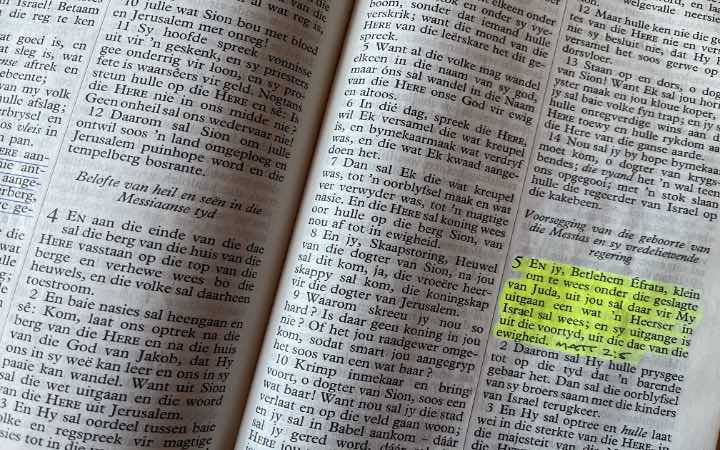
HEBREWS 11:32 – THE PROPHET MICAH
His background
Micah ministered during the time of the Judean kings Jotham (742–735 BC), Ahaz (735–715 BC) and Hezekiah (715–687 BC). This includes the capture of Samaria by the Assyrians, as well as the Assyrian siege of Jerusalem under Sennacherib in 701 BC. Micah came from a small village, Moresheth-Gath, 10 kilometres south-west of Jerusalem.
His ministry
Micah’s prophecy concerns Samaria and Jerusalem. His ministry partially overlaps with Isaiah, Hosea and Amos.
His pronouncements
Part 1
In Micah chapters 1 and 2 an announcement of judgement (1:2–2:11) is made followed by a pronouncement of salvation (2:12–13). This pronouncement of judgement is directed at Samaria, Jerusalem and Lachish. See Lachish details below.
The LORD’s appearance is accompanied by various cosmic events. Then follows the surprise: The announcement of judgement is directed especially against the LORD’s own people: Samaria (1:6–7), Jerusalem (1:13–16) and Lachish (1:13–16).
The reason for the message of judgement was the sin of Judah and Israel (1:5). Samaria will be made a heap of ruins because the city sought its salvation from other nations. In 1:8–12 the prophet pronounces a judgement on Jerusalem. This affects the prophet so intensely that he weeps as he makes the pronouncement. Lachish is also condemned as the source of all the iniquities.
In Micah 2:1–5 the prophet addresses the prominent inhabitants of Jerusalem and accuses the powerful of various transgressions. The LORD had given them the land as a gift and it was to remain in family possession. Justice and righteousness were not practised; injustice was the order of the day. This is followed by the judgement that the transgressors would come under the yoke of foreign domination and the wealthy would have no future.
In Micah 2:6–11 Micah’s opponents have their say. They boast that the LORD is tolerant and will not do what the prophet says. Micah responds that the LORD’s word is pleasant to all who live righteously.
In Micah 2:12–13 follows a pronouncement of salvation. With the LORD’s assistance the people will overcome all obstacles.
Part 2
In Micah chapters 3–5 a call to obedience is made.
This is followed by an announcement of punishment in 3:1–12. Firstly, the leaders are accused. Micah describes them hyperbolically as cannibals. Secondly, the prophets are accused of misleading the people. Micah condemns their false conduct. In contrast to the false prophets, Micah has strength and is full of the Spirit of the LORD. This means that he has a sense of what is right in the LORD’s eyes, and that he also has the authority to make Israel aware of her transgressions. Thirdly, the leaders and prophets are sharply condemned because they create the impression among the people that Jerusalem is built with murder and injustice.
In chapter four in the first five verses a prophecy of salvation is announced. This prophecy corresponds with Isaiah 2:2–4. Micah elaborates on the promise of victory and the time when the ideal ruler will bring a future of peace and security for the people.
In chapter five there is a reference to a time when the LORD will intervene in His people’s history and will destroy military equipment, divination and unlawful cultic objects on which they rely. He will then take responsibility for the protection of His people.
Part 3
The third main section also begins with a call to hear what the LORD says. The section also consists of an announcement of judgement followed by pronouncements of salvation. Micah 6–7 must be understood against the background of a crisis situation where the Assyrians are threatening the people. The pronouncements are again about religious practice that is wrong in the LORD’s eyes.
The requirements that the LORD sets are to do justly, to be upright before God and people and to have a daily relationship with Him.
The final section of Micah’s seventh chapter is almost a summary of the message of Micah. Micah announces hope. The section consists of a song of trust, a prophecy announcing salvation for the people, a prayer of supplication, and a song confessing the greatness of God’s compassion on His people. The book of Micah therefore ends with a message of hope and trust in the LORD.
Where was Lachish?
Lachish was an important fortified city in the southern part of the Kingdom of Judah. It was located in the Shephelah, the low hill area between the Judean mountains and the Mediterranean coastal plain. More specifically it was located:
- Approximately 24 km (15 miles) west of Hebron
- South-west of Jerusalem
- On the main road connecting Jerusalem with Egypt and the coastal cities.
Today the ruins of the biblical city are found at Tel Lachish, an archaeological mound in southern Israel.
Why Lachish was important in the Bible
Lachish was one of the most important cities in Judah, sometimes second only to Jerusalem. It appears in several biblical events:
- Joshua conquered Lachish during the Israelite conquest of Canaan (Joshua 10:31–33).
- It later became part of the territory of the tribe of Judah (Joshua 15:39).
- King Rehoboam fortified it as a defensive city (2 Chronicles 11:9).
- The Assyrian king Sennacherib conquered it in 701 BC during his campaign against Judah (2 Kings 18:13–17).
Because it guarded the main road to Jerusalem, whoever controlled Lachish controlled access to the interior of Judah.