The wheat and the tares
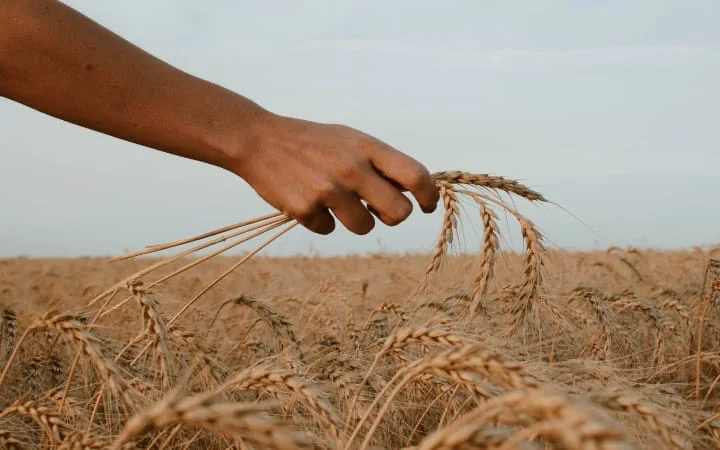
The wheat and the tares: Stop interfering in God's work
Most of us have heard about the parable of the wheat and the tares. It starts like this:
24Another parable put he forth unto them, saying, The kingdom of heaven is likened unto a man which sowed good seed in his field: 25But while men slept, his enemy came and sowed tares among the wheat, and went his way. – Matthew 13:24-25
Read the rest of the parable and its explanation. The parable tells us that once the wheat and tares start growing, it is impossible to visually separate them. As they grow up, they look the same. The only difference is that once they are grown, the seeds of the tares cannot be of any use, and there is no benefit to be gained from them.
The problem with the tares is the deception, something we have written about often on this website. A deception is sown by the devil; something that looks like the real deal but turns out to be the complete opposite. The danger lies in what “looks like”, where today wrong is often presented as being the same as right, leading many astray. What used to be right, is now considered to be wrong.
20Woe unto them that call evil good, and good evil; that put darkness for light, and light for darkness; that put bitter for sweet, and sweet for bitter! – Isaiah 5:20
The tares grow up looking exactly like the wheat, but when we look at the seed, the fruit, we see that it is very different. The tares Jesus speaks about are a certain type of weed found in the region. The only difference between it and the real wheat is in the taste. It is inedible and thus of no use at all. There is no fruit to be had.
Our natural reaction would be, just as the servants suggested, to go into the field and pull out the tares. The problem with this is that one could easily be confused and pull out some of the good wheat. Thus, the owner of the field tells them to leave the tares until the time for the harvest is right, at which point the seed (fruit) of the tares would be distinguishable from the wheat and they can be separated out. The tares are bundled and burnt, while the remaining wheat is stored in a barn to fulfil its purpose.
What we learn from the parable is that it is inevitable that not everyone who comes your way has been sent by God. We have the Word and His Spirit to guide us so that we can identify them by their works (Galatians 5:19-21). As hard as it may be, we must allow people to live among us even if we consider them to be false. The problem with Christians is that we are often seen as being judgemental, and the world out there uses exactly this to attack believers. Rather than point out the mistakes others make, let us just be the true fruit as described by Paul. When you see someone not acting in a Christ-like manner, set the right example by displaying the fruit of the Spirit.
Conclusion
Our time on the Earth is limited. Rather than trying to fight every battle on our own, we should rather allow God to work through us and focus on our aim, eternal life. He will eventually distinguish between the righteous and the unrighteous and deal with each one accordingly.